
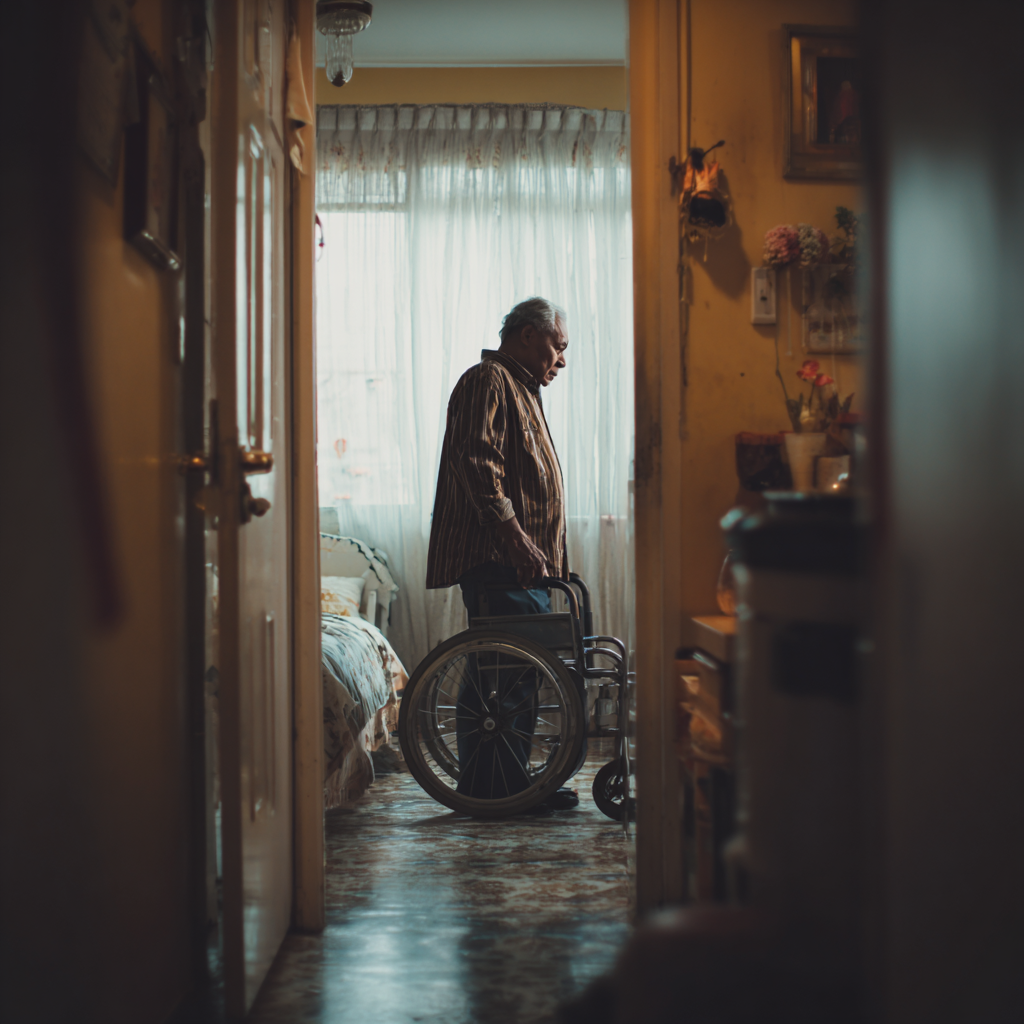
The decision about how best to support an ageing loved one is deeply personal. Here in Aberdeen, you want what’s safest and happiest for them, but the options can feel overwhelming. Two paths often emerge: enabling them to stay in their own home with support (domiciliary care) or moving to a residential care home.
This isn’t a one-size-fits-all choice. It’s about finding the right fit for your family’s unique situation. Let’s walk through the key considerations together, so you can feel confident in the path you choose.
The Heart of the Matter: Where Does Your Loved One Feel Most Themselves?
For many seniors in Aberdeen, their home is more than just a house. It’s a lifetime of memories in the Granite City, a familiar neighbourhood, and a deep sense of independence. The ability to stay in this cherished environment is the most significant benefit of domiciliary care. It provides tailored support that fits into their existing life, from help with morning routines to companionship during the day.
A care home, on the other hand, offers a different kind of value: the security of 24/7 support and a built-in community. It removes the burdens of home maintenance, cooking, and loneliness. For some, this new chapter provides relief and new friendships.
Evaluating Care Needs: Safety and Wellbeing
The level of support your loved one requires is a crucial factor.
Care at home shines when the need is for assistance rather than constant supervision. It’s ideal for those who may struggle with personal care, medication management, or mobility but are otherwise stable. Modern technology and regular carer visits can create a very safe environment. However, it’s important to note that there will be periods where they are alone.
A care home becomes a necessary consideration when needs progress to a point where constant, round-the-clock supervision is required. This is often the case for individuals with advanced medical conditions, significant mobility challenges that make a home environment unsafe, or later stages of dementia where wandering or confusion is a major risk. The peace of mind that comes with immediate help always being available is immense.
The Social Question: Connection and Community
Consider your loved one’s social personality. Are they deeply connected to their local community in Aberdeen—perhaps through a club, a place of worship, or simply knowing their neighbours? Domiciliary care helps maintain these existing connections. A carer can also facilitate trips to places like Duthie Park or the shops, combating isolation.
Conversely, if a person has become isolated or lonely at home, a care home provides immediate social opportunities. Structured activities, shared meals, and simply being around people can significantly enhance their quality of life and mental wellbeing.
Practicalities and Finances
There are practical elements to consider. Care at home allows for incredible flexibility; visits can be scaled up or down as needs change. The financial model is typically based on hourly visits or a live-in arrangement.
A care home involves a more fixed routine and a single weekly fee that covers almost everything. For those requiring intensive care, this can sometimes be more economical than funding round-the-clock care at home.
You Don’t Have to Navigate This Alone
This choice is seldom easy. The best decision is one that balances your loved one’s wishes with their practical safety needs.
If you are exploring whether care at home could be a viable and fulfilling option for your family in Aberdeen, we are here to help you think it through.
Contact us at Potters Independent Living for a friendly, no-obligation conversation. We can discuss your specific situation and help you understand what exceptional, personalised care at home could look like for your loved one.